
Peripheral Neuropathy
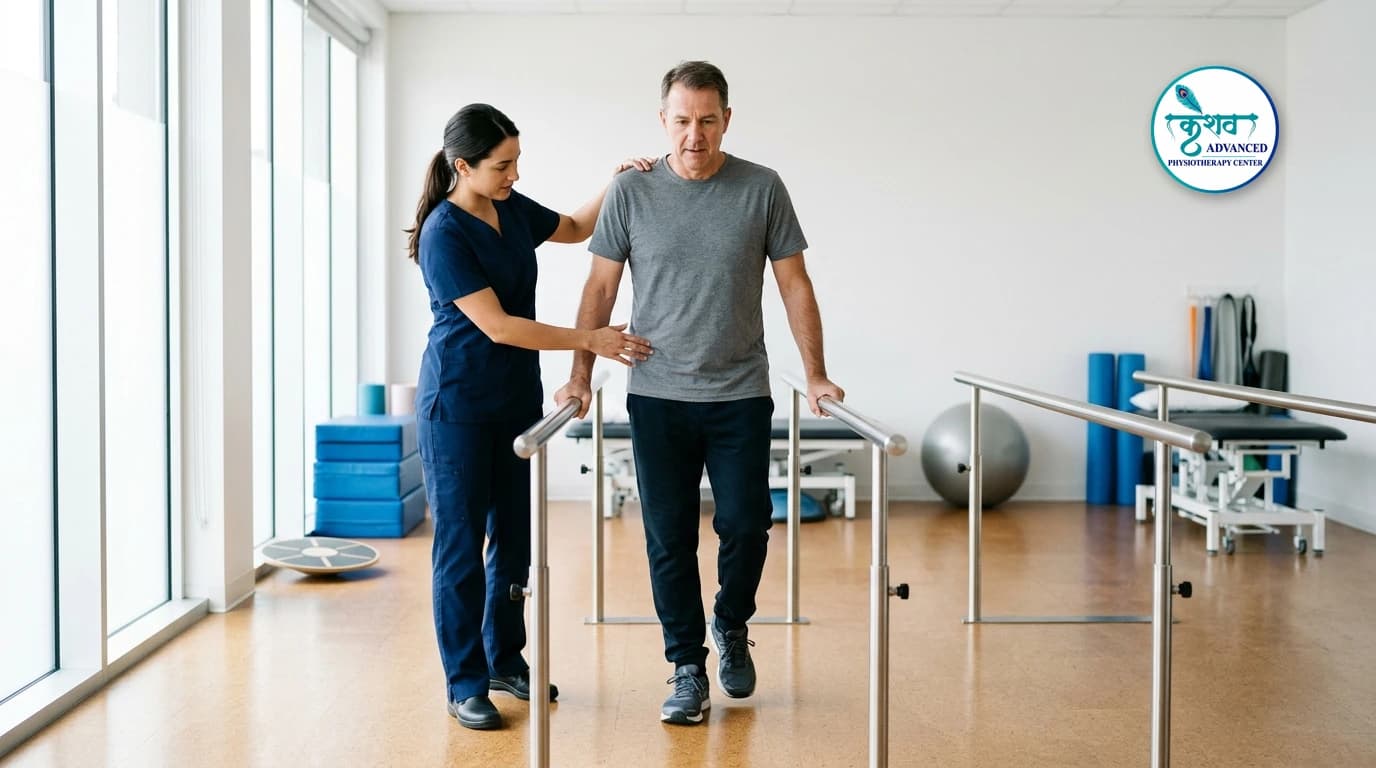
Peripheral neuropathy may affect sensation, strength, balance, and walking. Rehabilitation is tailored to the underlying cause and severity, with an emphasis on sensory compensation, lower-limb strengthening, and fall prevention.
Common Presentations
Typical symptoms and patient experiences- Numbness, tingling, or burning in hands and feet
- Weakness in foot or lower leg muscles
- Balance problems, especially in dim light or uneven surfaces
- Altered walking and unsteadiness
Assessment May Include
Comprehensive baseline clinical evaluation- Sensation testing (light touch, proprioception, vibration)
- Lower-limb strength and ankle stability
- Balance testing (eyes open vs eyes closed)
- Gait assessment and foot clearance
- Functional safety and fall risk evaluation
Physiotherapy Management May Include
Multi-faceted therapeutic approach adapted to your recovery stageImprove safe mobility, muscle strength, stability and movement confidence.
Medical coordination is important when symptoms are severe, rapidly worsening, associated with major trauma, significant neurological change or skin ulcers.
Get Started with Peripheral Neuropathy Care
Consult with Dr. Nikunj Joshi and Dr. Priyanshi Vani at our Ghodasar clinic or request a home visit.
Related Neurological Conditions
View All 24 Conditions →Stroke Rehabilitation
Neuro-recovery restoring arm control, balance, sit-to-stand transfers, and walking independence.
Parkinson's Disease Rehabilitation
Targeted therapy addressing tremors, rigidity, bradykinesia, freezing of gait, and posture.
Spinal Cord Injury Rehabilitation
Functional independence, transfer retraining, wheelchair skills, and standing mobility.