Parkinson's Disease Rehabilitation
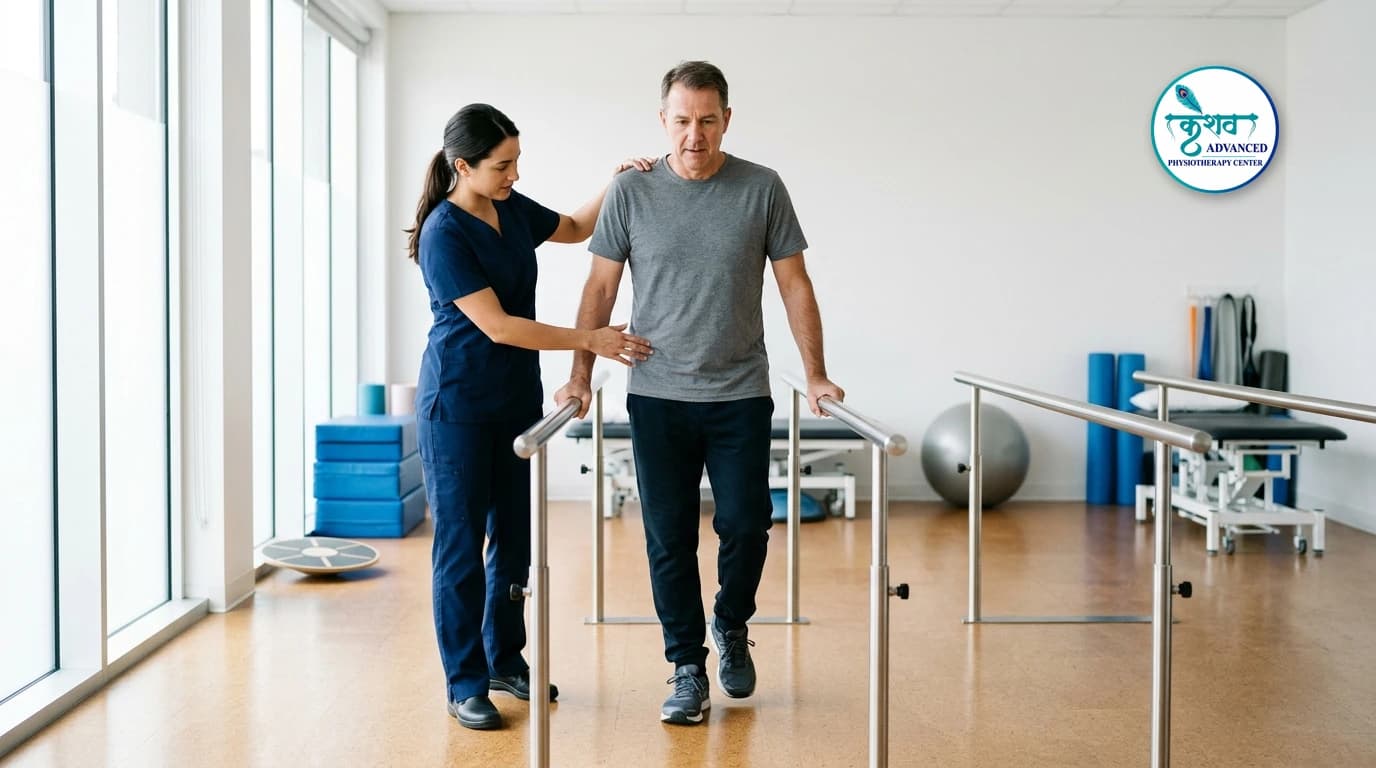
Physiotherapy for Parkinson's disease addresses mobility, gait, balance, muscle strength, and functional activity according to individual clinical stages. We use high-amplitude movement strategies and auditory/visual cues to overcome movement freezing.
Common Presentations
Typical symptoms and patient experiences- Slowness of movement (bradykinesia)
- Stiffness and muscle rigidity
- Balance difficulty and postural instability
- Gait changes including short shuffling steps and freezing
- Difficulty with sit-to-stand transfers
Assessment May Include
Comprehensive baseline clinical evaluation- Gait characteristics and balance testing
- Functional mobility and transfer ease
- Muscular strength and flexibility
- Movement amplitude and movement execution
- Falls risk assessment
Physiotherapy Management May Include
Multi-faceted therapeutic approach adapted to your recovery stageMaintain mobility, support independence, reduce fall risk and improve movement confidence.
Medical coordination is important when symptoms are severe, rapidly worsening, associated with major trauma, significant neurological change or other concerning features.
Get Started with Parkinson's Disease Rehabilitation Care
Consult with Dr. Nikunj Joshi and Dr. Priyanshi Vani at our Ghodasar clinic or request a home visit.
Related Neurological Conditions
View All 24 Conditions →Stroke Rehabilitation
Neuro-recovery restoring arm control, balance, sit-to-stand transfers, and walking independence.
Spinal Cord Injury Rehabilitation
Functional independence, transfer retraining, wheelchair skills, and standing mobility.
Peripheral Neuropathy
Managing numbness, weakness, and altered sensation to restore balance and prevent falls.