
Sacroiliac / Pelvic Movement Dysfunction
Pain around the lower back, buttock or pelvic region should be assessed together with the lumbar spine, hip, and overall movement pattern. Pelvic movement dysfunction often involves altered force transmission between the spine and lower limbs.
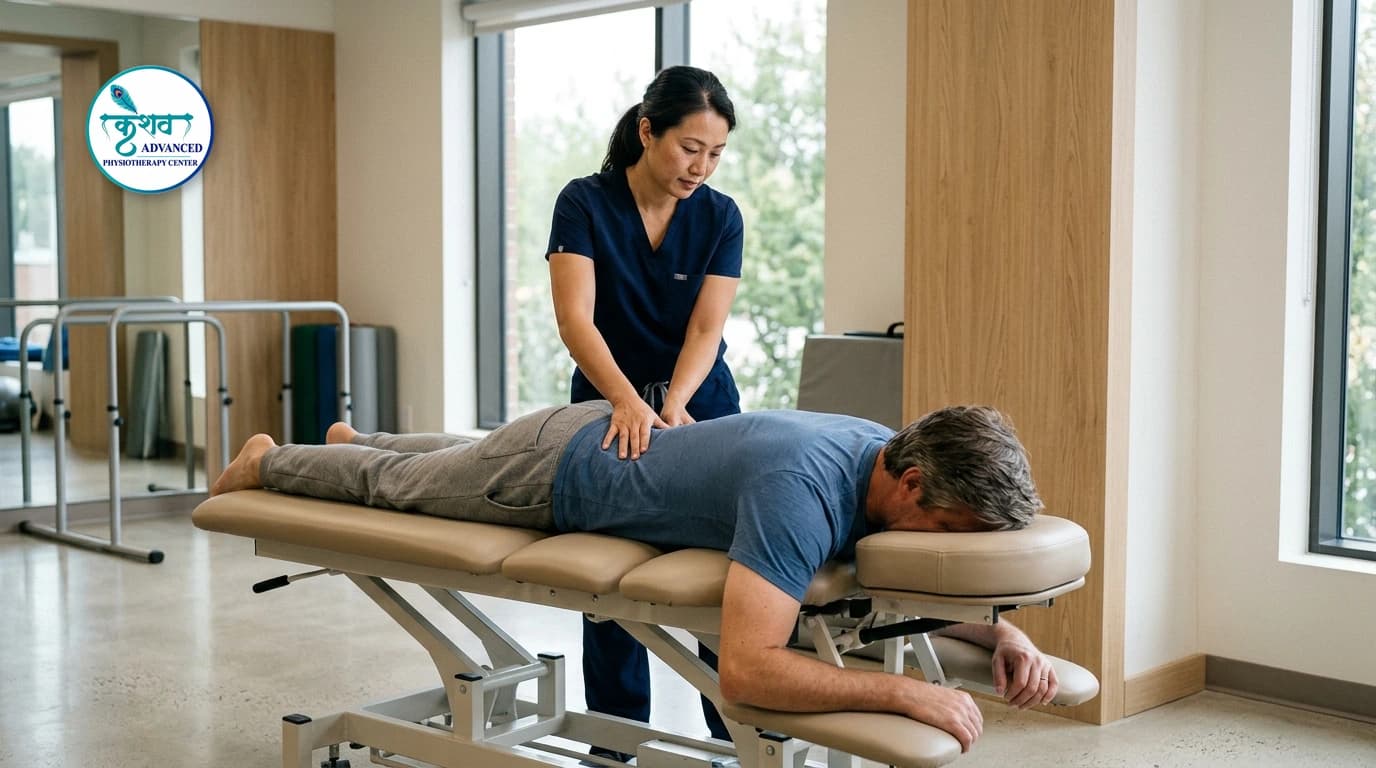
Common Presentations
Typical symptoms and patient experiences- Buttock and lower-back pain, often unilateral
- Pain during sit-to-stand transfers, rolling, or stair climbing
- Difficulty with prolonged sitting or standing postures
- Movement asymmetry and altered weight-bearing
Assessment May Include
Comprehensive baseline clinical evaluation- Lumbar and hip movement integration
- Functional movement screening (squats, single-leg stance)
- Strength and pelvic motor control testing
- Relevant clinical pain provocation tests
Physiotherapy Management May Include
Multi-faceted therapeutic approach adapted to your recovery stageImprove functional movement and tolerance of daily activities.
Medical coordination is important when symptoms are severe, rapidly worsening, associated with major trauma, significant neurological change or other concerning features.
Get Started with Sacroiliac / Pelvic Movement Dysfunction Care
Consult with Dr. Nikunj Joshi and Dr. Priyanshi Vani at our Ghodasar clinic or request a home visit.
Related Spine & Back Conditions
View All 24 Conditions →Low Back Pain
Pain or stiffness in the lower back affecting sitting, standing, bending, lifting, and walking.
Sciatica / Lumbar Radicular Symptoms
Radiating symptoms into the buttock, thigh, or calf with tingling, numbness, or leg pain.
Neck Pain / Cervical Pain
Discomfort, stiffness, or rotation pain associated with sustained postures or muscular strain.